Introduction to Project Management Software: Boost Team Productivity
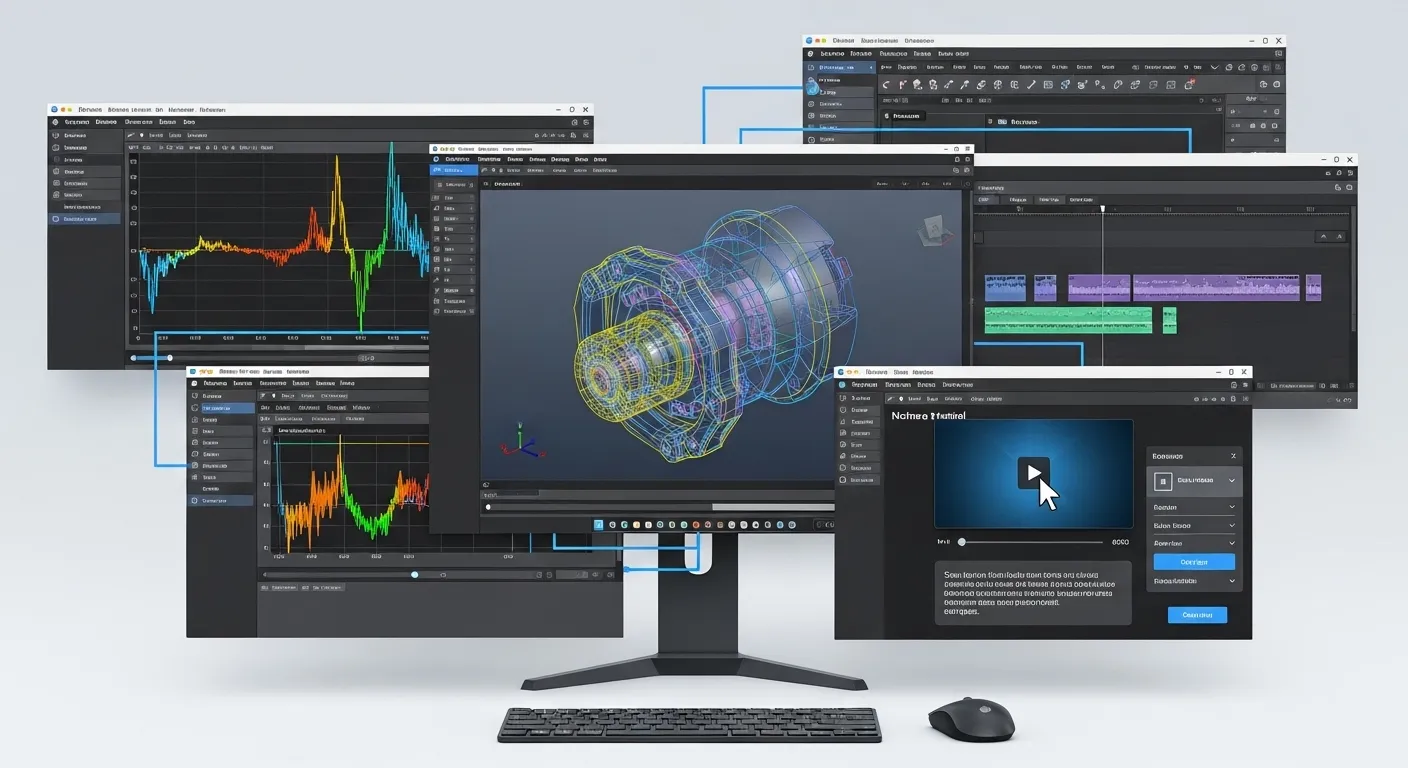
Introduction to Project Management Software: Boost Team Productivity
In today's fast-paced business environment, teams are constantly seeking ways to enhance efficiency, streamline operations, and deliver projects on time and within budget. This is where project management software steps in as an indispensable tool. It provides a centralized platform for planning, executing, monitoring, and closing projects, transforming how teams collaborate and achieve their goals. By leveraging the right software, organizations can significantly boost team productivity, reduce miscommunication, and ensure every team member is aligned with the project's objectives.
This article will explore the core functionalities of project management software, delve into its profound impact on team productivity, and guide you through choosing and implementing a solution that fits your unique needs. Whether you're managing a small startup project or a complex enterprise initiative, understanding the power of these tools is the first step towards unlocking your team's full potential.
Key Points:
- Centralized Control: Consolidate all project information, tasks, and communications in one place.
- Enhanced Collaboration: Facilitate seamless teamwork and real-time information sharing.
- Improved Efficiency: Automate routine tasks and optimize workflows for faster project completion.
- Data-Driven Insights: Gain valuable analytics to make informed decisions and track progress.
- Scalable Solutions: Adapt to projects of any size, from small teams to large enterprises.
What is Project Management Software?
Project management software is a digital platform designed to help individuals and teams plan, organize, and manage resources to complete a project successfully. It serves as a central hub for all project-related activities, from initial ideation to final delivery. Historically, project management relied on whiteboards, spreadsheets, and endless email chains, often leading to disorganization and missed deadlines. Modern project management software offers a sophisticated alternative, integrating various tools into a cohesive system.
At its core, this software aims to simplify complex processes, making project execution more transparent and manageable. It empowers project managers to oversee every aspect of a project, while also giving team members clarity on their responsibilities and deadlines. The goal is to create an environment where collaboration thrives, and productivity is maximized.
Key Features to Look For
When evaluating project management software, several core features stand out as essential for boosting team productivity:
- Task Management: The ability to create, assign, track, and prioritize tasks, often with subtasks and dependencies. This ensures clarity on who is doing what and by when.
- Collaboration Tools: Features like shared documents, real-time chat, comment sections, and discussion forums facilitate seamless communication among team members, regardless of their location.
- Scheduling and Planning: Tools such as Gantt charts, Kanban boards, and calendars help visualize project timelines, milestones, and resource allocation, making workflow optimization straightforward.
- Resource Management: Efficiently allocate team members, equipment, and budgets to tasks, preventing overload and ensuring optimal utilization.
- Reporting and Analytics: Generate insights into project progress, team performance, and potential bottlenecks, enabling data-driven adjustments.
- Integrations: Compatibility with other essential business tools like email, CRM, and communication platforms creates a unified work environment.
The Transformative Power of Project Management Software for Team Productivity
The adoption of dedicated project management software has a profound impact on how teams operate, leading to significant improvements in overall productivity and project success rates. It addresses common pain points that often hinder progress, turning potential chaos into organized efficiency.
Enhanced Collaboration and Communication
One of the most significant benefits of project management software is its ability to centralize communication. Instead of scattered emails, chat messages, and informal discussions, all project-related communication occurs within the platform. This creates a single source of truth, reducing misunderstandings and ensuring everyone has access to the latest information. Features like shared files and real-time commenting foster a more collaborative environment, where feedback loops are tighter and decisions are made faster. For more information on this topic, readers can explore related articles on fostering team synergy and effective communication strategies.
Streamlined Task Management and Workflow
Effective task management is the backbone of any successful project. Project management software provides robust tools to break down large projects into manageable tasks, assign them to specific individuals, and set clear deadlines. Visual tools like Kanban boards allow teams to see the status of each task at a glance, facilitating agile workflows. This clarity minimizes confusion, reduces redundant efforts, and keeps the project moving forward efficiently. According to a 2024 report by the Project Management Institute, organizations utilizing advanced task management features reported a 25% increase in on-time project completion.
Improved Resource Allocation
Mismanaged resources can quickly derail a project. Project management software offers capabilities to track the availability and workload of team members, ensuring that tasks are distributed equitably and no one is overburdened. It also helps in allocating budgets and other assets effectively, preventing overspending or underutilization. This strategic approach to resource allocation is crucial for maintaining momentum and achieving project goals without unnecessary strain.
Data-Driven Decision Making
Modern project management software provides powerful reporting and analytics features. These tools offer insights into project progress, team performance, budget adherence, and potential risks. By visualizing key metrics, project managers can identify bottlenecks, anticipate challenges, and make informed, proactive decisions. This shift from reactive problem-solving to data-driven decision making significantly enhances a team's ability to adapt and succeed.
Choosing the Right Project Management Software: A Modern Approach
Selecting the ideal project management software is critical for maximizing its benefits. Beyond basic features, modern teams should consider solutions that offer differentiated value, incorporating the latest industry trends and insights.
Considering AI and Automation Capabilities
The landscape of project management is rapidly evolving, with Artificial Intelligence (AI) and automation playing increasingly vital roles. Differentiated software solutions now offer AI-powered features such as predictive analytics for project timelines, automated task assignments based on workload, and intelligent risk assessment. These capabilities can significantly enhance workflow optimization by reducing manual effort and providing foresight. For instance, an AI-driven assistant might flag potential delays before they become critical, allowing the team to adjust proactively. From my experience working with diverse teams, the biggest hurdle isn't adopting the software, but ensuring consistent usage and buy-in, which AI can help facilitate by simplifying complex tasks.
Scalability and Integration Ecosystem
Another crucial differentiator is the software's scalability and its ability to integrate seamlessly with your existing tech stack. A truly valuable project management solution should be able to grow with your team and project complexity, from a small team managing a few tasks to a large enterprise handling multiple concurrent projects. Furthermore, its integration ecosystem—connecting with tools like Slack, Google Drive, Salesforce, or specialized accounting software—is paramount. This creates a unified "work OS" that prevents data silos and ensures a smooth flow of information across different departments. A recent study published by TechSolutions Review in late 2023 highlighted that companies prioritizing integration capabilities experienced a 30% improvement in cross-departmental collaboration.
Implementing Project Management Software Successfully
Adopting new project management software is more than just installing a tool; it's a strategic change that requires careful planning and execution to ensure maximum team productivity.
Phased Rollout and Training
To ensure a smooth transition, consider a phased rollout. Start with a pilot group, gather feedback, and refine your approach before a company-wide implementation. Comprehensive training is also non-negotiable. Provide hands-on sessions, clear documentation, and ongoing support to help team members become proficient with the new system. Emphasize how the software will simplify their work, rather than add to it.
Continuous Feedback and Optimization
The implementation process doesn't end after rollout. Establish channels for continuous feedback from users. Regularly review how the software is being utilized, identify areas for improvement, and make necessary adjustments to workflows or configurations. This iterative approach ensures that the software remains a valuable asset, continually optimized to meet the evolving needs of your team and projects. Readers interested in optimizing their workflows can find valuable insights in our section on agile methodologies.
FAQ Section
What is the primary benefit of project management software?
The primary benefit of project management software is its ability to centralize project planning, execution, and monitoring, leading to significantly enhanced team productivity. It provides a single source of truth for all project information, reducing miscommunication and ensuring that tasks are clearly defined, assigned, and tracked. This centralization ultimately helps teams deliver projects more efficiently and effectively.
How does project management software improve team collaboration?
Project management software improves team collaboration by offering integrated communication tools, shared document repositories, and real-time updates. Team members can easily share files, leave comments on tasks, participate