Introduction to Project Management Software: Boosting Team Productivity
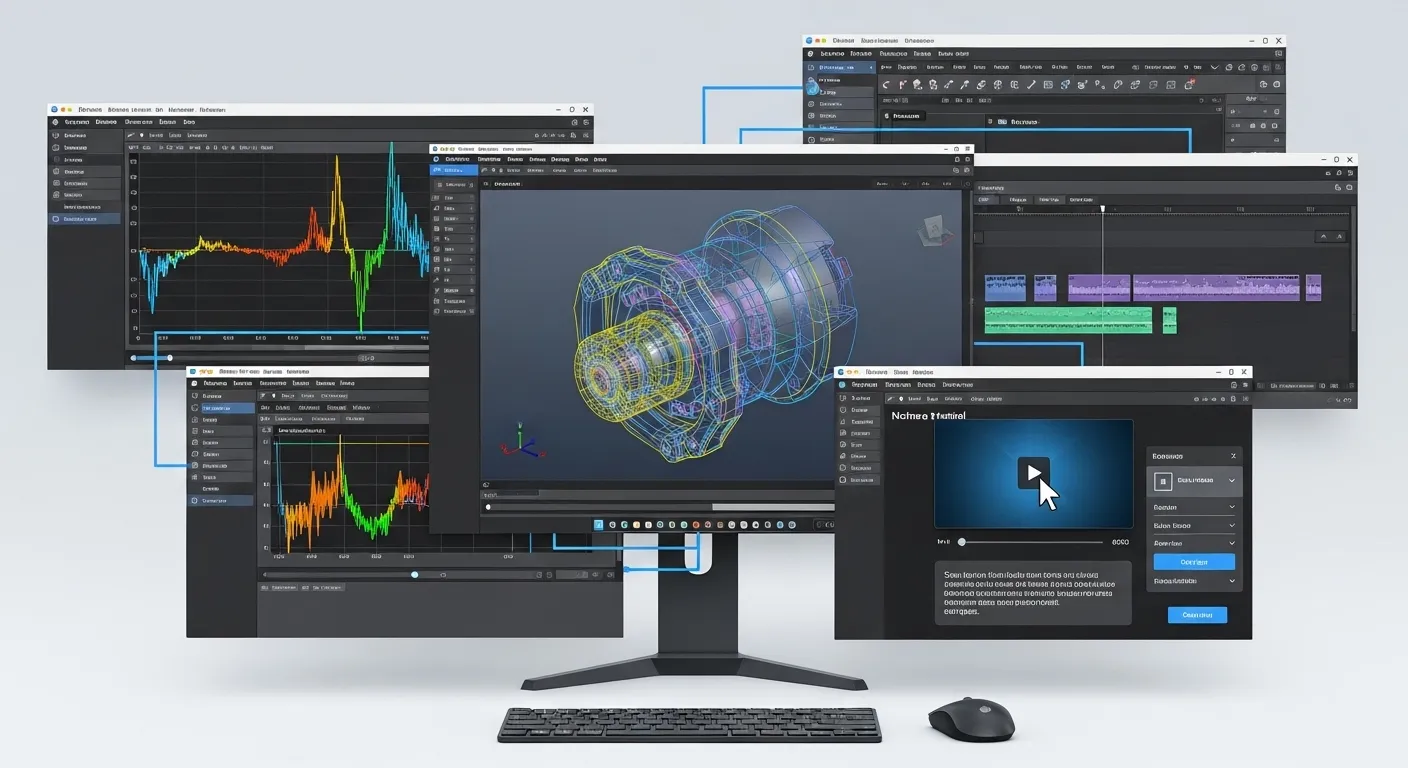
Introduction to Project Management Software: Boosting Team Productivity
In today's fast-paced business environment, effective project management is no longer a luxury but a necessity. Organizations are constantly seeking ways to optimize workflows, enhance collaboration, and deliver projects on time and within budget. This is where project management software steps in, offering a robust solution to these complex challenges. It acts as a central hub, providing teams with the tools they need to plan, execute, and monitor projects efficiently.
The right project management software can significantly impact a team's efficiency, leading to higher productivity and better project outcomes. It transforms chaotic task lists into organized workflows, ensures clear communication, and provides real-time visibility into project progress. This article serves as a comprehensive introduction, exploring the core value, benefits, and modern trends of these indispensable tools.
Key Points:
- Centralized Control: Consolidates all project-related information in one place.
- Enhanced Collaboration: Facilitates seamless communication and teamwork.
- Improved Efficiency: Automates tasks and streamlines workflows.
- Real-time Visibility: Offers instant updates on project status and progress.
- Data-Driven Decisions: Provides insights for better planning and risk management.
What is Project Management Software?
Project management software is a digital platform designed to help teams plan, organize, and manage resources, tasks, and schedules to complete projects successfully. It encompasses a wide range of functionalities, from simple task tracking to complex portfolio management. Essentially, it provides a structured environment where every aspect of a project, from initiation to closure, can be systematically handled.
These tools are built to support various methodologies, including Waterfall, Agile, Scrum, and Kanban, making them versatile for different team structures and project types. They aim to eliminate manual processes, reduce human error, and provide a single source of truth for all project stakeholders. The ultimate goal is to simplify complexity and empower teams to focus on delivering high-quality results.
Key Benefits of Project Management Software for Boosting Team Productivity
Implementing project management software can revolutionize how teams work, directly contributing to boosting team productivity. The advantages extend across multiple facets of project execution, creating a more organized, collaborative, and efficient work environment.
Enhanced Communication and Collaboration
One of the most significant benefits of project management software is its ability to foster seamless communication and collaboration. Teams can share files, discuss tasks, and provide feedback within the platform, eliminating the need for scattered emails and endless meetings. This centralized communication ensures everyone is on the same page, reducing misunderstandings and accelerating decision-making.
- Centralized Communication: All project discussions and updates are stored in one accessible location.
- Shared Workspaces: Teams can co-create and edit documents, fostering real-time collaboration.
- Instant Notifications: Stakeholders receive timely alerts on task assignments, deadlines, and changes.
Streamlined Task Management and Workflow
Effective task management is the backbone of any successful project. Project management software provides robust tools for breaking down projects into manageable tasks, assigning responsibilities, and setting deadlines. This clarity ensures that every team member understands their role and priorities, leading to a more organized and efficient workflow.
- Task Breakdown: Complex projects are divided into smaller, actionable tasks.
- Dependency Tracking: Identifies task relationships, preventing bottlenecks.
- Automated Workflows: Repetitive tasks can be automated, saving time and effort.
Improved Resource Allocation and Time Tracking
Optimizing resource allocation is crucial for project success. These software solutions offer insights into team capacity, allowing managers to distribute workloads effectively and prevent burnout. Furthermore, integrated time tracking features help monitor hours spent on tasks, providing valuable data for billing, payroll, and future project estimations.
- Capacity Planning: Visualizes team availability and workload distribution.
- Time Tracking: Records actual hours spent on tasks for accurate reporting.
- Budget Management: Helps track expenses against the project budget.
Better Risk Management and Decision Making
Project management software equips teams with the data and tools needed to identify potential risks early and make informed decisions. Dashboards and reporting features provide a comprehensive overview of project health, allowing managers to proactively address issues before they escalate. According to a 2024 report by the Project Management Institute (PMI), organizations leveraging dedicated project management software reported a 28% increase in project success rates, underscoring its impact on risk mitigation.
- Real-time Analytics: Provides up-to-date project metrics and performance indicators.
- Issue Tracking: Systematically records and resolves project impediments.
- Forecasting Tools: Helps predict potential delays or budget overruns.
Differentiating Your Approach: Modern Trends in Project Management Software
The landscape of project management software is constantly evolving, with new innovations offering differentiated value. Staying abreast of these trends is key to maximizing the benefits for your team.
AI-Powered Insights and Automation
A significant trend is the integration of Artificial Intelligence (AI) into project management tools. AI can automate routine tasks, predict potential project delays, and even suggest optimal resource assignments based on historical data. This moves beyond basic automation to intelligent automation, providing predictive analytics that empower managers to make proactive decisions. A study published in Forbes in late 2023 highlighted that companies adopting AI-driven project management solutions saw a 15% reduction in project delays. This level of insight offers a substantial competitive advantage.
Emphasis on Hybrid Methodologies
While Agile and Scrum have gained immense popularity, many organizations operate with a blend of methodologies, often referred to as hybrid approaches. Modern project management software is increasingly designed to support this flexibility, allowing teams to combine elements of Waterfall planning with Agile execution. This adaptability ensures that the software can cater to diverse project requirements and organizational cultures, providing a more tailored experience. For deeper insights into agile methodologies, readers might explore our articles on 'Understanding Scrum Frameworks'.
Choosing the Right Project Management Software for Your Team
Selecting the ideal project management software is a critical decision that can significantly impact your team's productivity. It's not a one-size-fits-all solution, and careful consideration is required.
Assessing Your Team's Needs
Before diving into features, understand your team's specific requirements. Consider the size of your team, the complexity of your projects, your existing workflows, and your budget. Are you primarily focused on task tracking, or do you need robust portfolio management? What level of reporting and analytics is necessary?
Key Features to Look For
While features vary, some are universally beneficial:
- Task Management: Ability to create, assign, track, and prioritize tasks.
- Collaboration Tools: In-app messaging, file sharing, and commenting.
- Scheduling: Gantt charts, Kanban boards, and calendar views for visual planning.
- Reporting: Customizable dashboards and progress reports.
- Security: Robust data protection and access controls.
Integration Capabilities
Modern workplaces rely on a suite of tools. The best project management software will integrate seamlessly with your existing ecosystem, such as communication platforms (Slack, Microsoft Teams), CRM systems, and development tools (GitHub, Jira). Gartner's 2025 market guide for project and portfolio management software emphasized the growing importance of integration capabilities with existing enterprise systems, highlighting how crucial this is for a unified workflow. To learn more about optimizing team communication, consider reviewing our guide on 'Effective Communication Strategies in Remote Teams'.
Implementing Project Management Software Successfully
The success of your new project management software hinges not just on its selection, but also on its implementation.
Phased Rollout and Training
Avoid a "big bang" approach. Instead, consider a phased rollout, starting with a pilot team. This allows for testing, feedback, and adjustments before a wider deployment. Comprehensive training is also non-negotiable. Ensure all users, from project managers to individual contributors, are comfortable with the software's functionalities.
Fostering Adoption and Feedback
Encourage team members to actively use the software and provide feedback. Acknowledge and address their concerns. Emphasize the benefits to them – how